Constipation and Bloating: Why They Often Happen Together and What May Help
Can constipation cause bloating? Learn why these symptoms may happen together, what may help, and when it’s important to talk with a doctor.
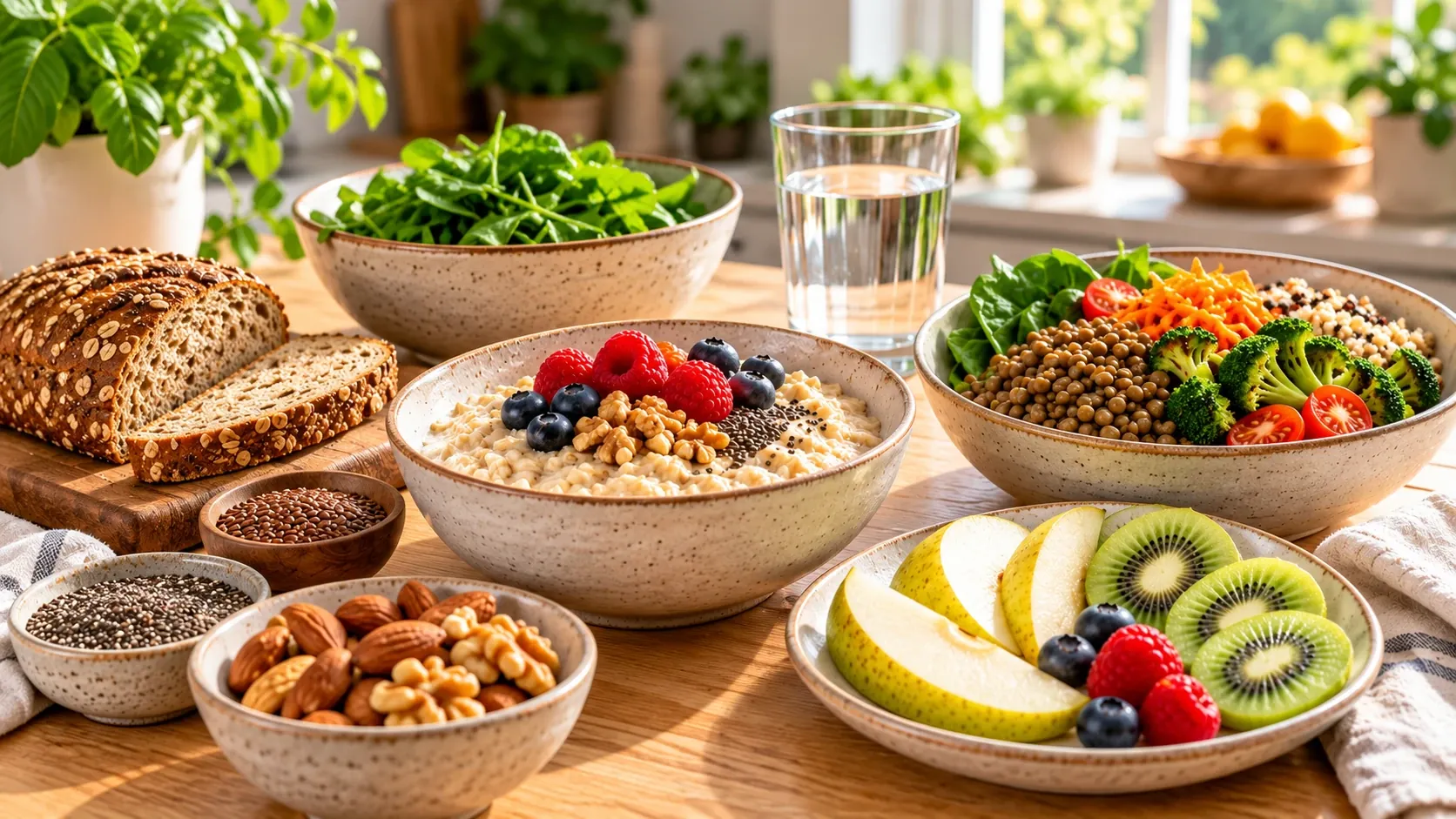
Table of contents
Constipation and bloating often show up together. When bowel movements slow down, some people also notice a full, tight feeling in the belly or more gas than usual. The two symptoms can be linked, but bloating has many possible causes, and constipation itself can have different causes in different people. This guide explains how constipation and bloating may be connected, what everyday habits may help, and when it's important to talk with a doctor.
Can Constipation Cause Bloating?
It can. MedlinePlus defines abdominal bloating as a condition in which the belly "feels full and tight," and it lists constipation among the common causes (opens in a new tab), along with swallowing air, irritable bowel syndrome (IBS), lactose intolerance and overeating. Among its home-care suggestions for bloating, MedlinePlus advises getting treatment for constipation if you have it.
The National Institute of Diabetes and Digestive and Kidney Diseases (opens in a new tab) (NIDDK) also lists constipation among the digestive conditions that can increase gas or gas symptoms, which include belching, bloating and passing gas.
That doesn't work the other way around: feeling bloated doesn't necessarily mean you're constipated. And constipation doesn't cause bloating in everyone.
Why Constipation and Bloating Can Happen Together
The sources we reviewed list constipation as a cause of bloating without pointing to a single explanation that applies to everyone. What they do show is that the two symptoms can share some of the same contributing factors:
- Diet and fiber. Not eating enough fiber is one of the causes of constipation that NIDDK lists. At the same time, bacteria in the large intestine produce gas as they break down carbohydrates, including fiber, that weren't digested earlier. That's why changes in fiber intake can affect both regularity and gas.
- Fluids and activity. NIDDK lists not drinking enough liquids and not getting enough physical activity among possible causes of constipation.
- Digestive conditions. NIDDK notes that functional gastrointestinal disorders, such as IBS and functional constipation, may cause problems with gas symptoms. These disorders can make people more sensitive to bloating or affect how gas moves through the intestines.
- Medicines and supplements. According to NIDDK, some medicines and dietary supplements can cause constipation, including certain antacids, iron supplements and some pain medicines.
Because several factors can be involved, the reason behind constipation and bloating varies from person to person. A healthcare professional can help sort out what's behind your symptoms.
Signs You May Be Constipated
According to NIDDK (opens in a new tab), symptoms of constipation can include:
- fewer than three bowel movements a week
- stools that are hard, dry or lumpy
- stools that are difficult or painful to pass
- a feeling that not all stool has passed
Bowel habits differ from person to person. NIDDK notes that what's normal varies, and MedlinePlus (opens in a new tab) points out that you don't need to have a bowel movement every day. A change from your own usual pattern can be as useful to notice as any single number.
Constipation isn't a disease itself. NIDDK describes it as something that may be a symptom of another medical problem (opens in a new tab), and it can be short-term or long-lasting.
Can Fiber Help Constipation and Bloating?
Fiber is a central part of NIDDK's guidance on eating for constipation (opens in a new tab). Fiber sources NIDDK lists include whole grains, legumes such as beans and lentils, fruits, vegetables and nuts.
Fiber can also contribute to gas, though, especially when intake increases quickly. MedlinePlus notes that eating a large amount of fiber in a short period (opens in a new tab) of time can cause intestinal gas, and that adding fiber slowly can help reduce gas. NIDDK similarly advises adding fiber a little at a time so your body gets used to the change.
The type of fiber may matter, too. In its guidance on bloating, MedlinePlus notes that insoluble fiber such as bran can cause more bloating and gas, while soluble fiber such as psyllium is usually better tolerated. If you're considering a fiber supplement, it's worth asking a healthcare professional first.
So fiber may help with constipation in some people while also adding to gas or bloating if it's increased too fast. Our guide to fiber and bloating explains this trade-off in more detail, including what to know about fiber supplements.
Food and Hydration
Foods. Along with fiber-rich foods, NIDDK suggests limiting foods with little or no fiber, such as chips, fast food, meat, and some prepared and processed foods. That doesn't mean avoiding any single food entirely. A dietitian or other healthcare professional can help plan meals that fit your needs.
Some high-fiber foods, such as beans and certain vegetables, can also cause gas in some people. If you're trying to balance regularity with bloating, our guides to foods that cause bloating and foods that help with bloating cover how individual tolerance varies.
Hydration. NIDDK advises drinking plenty of liquids, such as water, naturally sweetened fruit and vegetable juices and clear soups, to help fiber work better. Along with more fiber, NIDDK says this can make stools softer and easier to pass. Fluids work alongside fiber, so drinking more on its own may not be enough. How much you need depends on your size, health, activity level and where you live, so NIDDK suggests asking a healthcare professional how much liquid is right for you. If you have a condition that limits fluids, follow your provider's guidance.
Other Everyday Habits That May Help
NIDDK's treatment guidance (opens in a new tab) includes a few habits that may support regularity:
- Stay active. Getting regular physical activity may help relieve constipation symptoms. If you have a health condition, ask your healthcare provider what kind of activity is right for you.
- Build a routine. Your doctor may suggest trying to have a bowel movement at about the same time each day, such as after breakfast. Give yourself enough time, and use the bathroom as soon as you feel the need to go.
- Review medicines and supplements. If you think a medicine or supplement may be causing constipation, talk with your doctor. Don't stop or change any medicine or supplement without talking with a healthcare professional first.
- Use laxatives only as advised. A healthcare professional may recommend a laxative for a short time. If you've been relying on laxatives for a long time, talk with your doctor about how to stop using them gradually.
For bloating specifically, habits that reduce swallowed air, such as eating more slowly and limiting fizzy drinks and gum, may also help. Our guide on what helps with bloating and slow digestion covers these everyday habits, and our guide to bloating after eating looks at bloating that shows up around meals.
When Constipation and Bloating Need Medical Attention
According to NIDDK, see a doctor if self-care doesn't help your constipation, or if you have a family history of colon or rectal cancer. For gas symptoms, NIDDK advises talking with your doctor if they bother you, change suddenly, or come with other symptoms such as abdominal pain, diarrhea or weight loss.
NIDDK advises seeing a doctor right away if you have constipation along with any of the following:
- bleeding from your rectum
- blood in your stool
- constant pain in your abdomen
- inability to pass gas
- vomiting
- fever
- lower back pain
- losing weight without trying
A doctor can look at your symptoms, diet, medicines and medical history to help find the cause. This article can't diagnose what's behind your symptoms.
The Bottom Line
Constipation and bloating can be connected. MedlinePlus lists constipation as a common cause of bloating, and NIDDK lists it among conditions that can increase gas symptoms. The two can share contributing factors, such as diet, fluids, activity, medicines and digestive conditions, so the reason behind them varies from person to person.
Everyday steps that may support regularity include getting enough fiber while increasing it gradually, drinking enough liquids to help fiber work, staying active and keeping a regular bathroom routine. If constipation doesn't improve with self-care, or comes with warning signs such as blood in the stool, constant abdominal pain or inability to pass gas, talk with a doctor.
Frequently Asked Questions
Can constipation cause bloating?
It can. MedlinePlus lists constipation among the common causes of abdominal bloating, and NIDDK lists constipation among the digestive conditions that can increase gas or gas symptoms. Bloating has many other possible causes, too, so it doesn't always mean you're constipated.
What are the signs of constipation?
According to NIDDK, symptoms of constipation can include having fewer than three bowel movements a week, stools that are hard, dry or lumpy, stools that are difficult or painful to pass, and a feeling that not all stool has passed.
Can fiber make constipation and bloating worse?
Fiber is part of NIDDK's guidance for constipation, but adding a lot of it at once may cause gas. MedlinePlus notes that eating a large amount of fiber in a short period can cause intestinal gas, and that adding fiber slowly can help reduce gas. NIDDK advises adding fiber a little at a time and drinking plenty of liquids to help the fiber work better.
Does drinking more water help with constipation?
Fluids are part of the picture, but they work alongside fiber rather than on their own. NIDDK says water and other liquids help fiber work better, which can make stools softer and easier to pass, and suggests asking a health care professional how much liquid you should drink, since that depends on your size, health, activity level and where you live.
When should I see a doctor about constipation and bloating?
Talk with a doctor if constipation doesn't improve with self-care or if gas symptoms bother you or change suddenly. NIDDK advises seeing a doctor right away if you have constipation along with bleeding from the rectum, blood in your stool, constant abdominal pain, inability to pass gas, vomiting, fever, lower back pain or weight loss without trying.
Sources & References
- Government health agencyDefinition & Facts for Constipation (opens in a new tab). National Institute of Diabetes and Digestive and Kidney Diseases (NIDDK). Accessed October 17, 2026
- Government health agencySymptoms & Causes of Constipation (opens in a new tab). National Institute of Diabetes and Digestive and Kidney Diseases (NIDDK). Accessed October 17, 2026
- Government health agencyEating, Diet, & Nutrition for Constipation (opens in a new tab). National Institute of Diabetes and Digestive and Kidney Diseases (NIDDK). Accessed October 17, 2026
- Government health agencyTreatment for Constipation (opens in a new tab). National Institute of Diabetes and Digestive and Kidney Diseases (NIDDK). Accessed October 17, 2026
- Government health agencySymptoms & Causes of Gas in the Digestive Tract (opens in a new tab). National Institute of Diabetes and Digestive and Kidney Diseases (NIDDK). Accessed October 17, 2026
- Government health agencyAbdominal bloating (opens in a new tab). MedlinePlus Medical Encyclopedia (U.S. National Library of Medicine). Accessed October 17, 2026
- Government health agencyFiber (opens in a new tab). MedlinePlus Medical Encyclopedia (U.S. National Library of Medicine). Accessed October 17, 2026
- Government health agencyConstipation (opens in a new tab). MedlinePlus (U.S. National Library of Medicine). Accessed October 17, 2026
Written by
Wellness Buyer Guide Editorial Team
Editorial team
The Wellness Buyer Guide editorial team researches and writes the articles published on this site.
View profile and articlesRelated Articles
Related Comparisons
- Digestive Enzymes vs. Probiotics for Bloating: What’s the Difference?
Digestive enzymes and probiotics aren't the same. Learn how they differ, what evidence says about each for bloating, and what to check before buying either.
Related Wellness Guides
- Fiber and Bloating: Can Fiber Help or Make Bloating Worse?
Can fiber help with bloating or make it worse? Learn how fiber type, amount and pace affect gas and bloating, plus what to know about fiber supplements.
- What Helps With Bloating and Slow Digestion? 7 Practical Ways to Support Better Digestion
Feeling bloated or dealing with slow digestion? Learn practical ways to support digestive health, including fiber, hydration, eating habits, activity, and what to consider before choosing a digestive supplement.
- Foods That Help With Bloating: What to Eat and What to Know
Looking for foods that help with bloating? Learn which foods may be easier to tolerate, how fiber, dairy and drinks play a role, and when to see a doctor.
- Foods That Cause Bloating: Common Triggers and What May Help
Which foods cause bloating? Learn common triggers such as beans, certain fruits, dairy and sugar alcohols, why tolerance varies, and how to spot your own.
- Bloating After Eating: Why It Happens and What May Help
Why do you feel bloated after eating? Learn common causes, from swallowed air to certain carbs and high-fat foods, what may help, and when to see a doctor.