Foods That Help With Bloating: What to Eat and What to Know
Looking for foods that help with bloating? Learn which foods may be easier to tolerate, how fiber, dairy and drinks play a role, and when to see a doctor.

Table of contents
When your stomach feels full, tight or gassy, it's natural to wonder what you should eat instead. Lists of foods that help with bloating are easy to find, but the evidence behind them is thinner than they suggest. No food is proven to reduce bloating for everyone, and a food that feels fine to one person may bother another. What official health sources do describe is more practical: certain swaps, portion sizes and eating habits that some people find easier on their digestion. This guide explains what to eat for bloating based on that guidance, and what to keep in mind before changing your diet.
The Short Answer: What Should You Eat When Feeling Bloated?
- There's no universal anti-bloating food. Food choices can influence gas and bloating, but tolerance depends on the person, the amount and the rest of the meal.
- Swapping out your own triggers matters more than adding "special" foods. The National Institute of Diabetes and Digestive and Kidney Diseases (opens in a new tab) (NIDDK) describes eating less of the specific foods and drinks that increase your symptoms, rather than avoiding every food that might cause gas.
- Some options may be easier to tolerate for some people, such as water and other non-fizzy drinks, products without "-ol" sweeteners and, for people with lactose intolerance, lactose-free milk products, yogurt or hard cheeses.
- How you eat counts too. Smaller, more frequent meals, eating slowly and adding fiber gradually are all part of NIDDK's guidance.
- Frequent or worsening bloating deserves a professional opinion, especially if it comes with other symptoms.
Why Food Choices May Affect Bloating
According to NIDDK (opens in a new tab), gas in the digestive tract comes mainly from two places: air you swallow, and bacteria in the large intestine breaking down carbohydrates that weren't fully digested earlier. Food choices can affect both. Some foods contain sugars, starches or fiber that reach the large intestine mostly undigested, while fizzy drinks, gum and eating quickly add swallowed air.
Food isn't the whole story, though. MedlinePlus lists several other possible contributors to abdominal bloating (opens in a new tab), including overeating, constipation, lactose intolerance and other problems digesting food, and conditions such as irritable bowel syndrome (IBS). That's one reason the same "bloating-friendly" meal can work for one person and not for another.
If you want the full picture of which foods are commonly linked to gas and why, see our guide to foods that cause bloating. This guide focuses on the other side of the question: what you might eat or change instead.
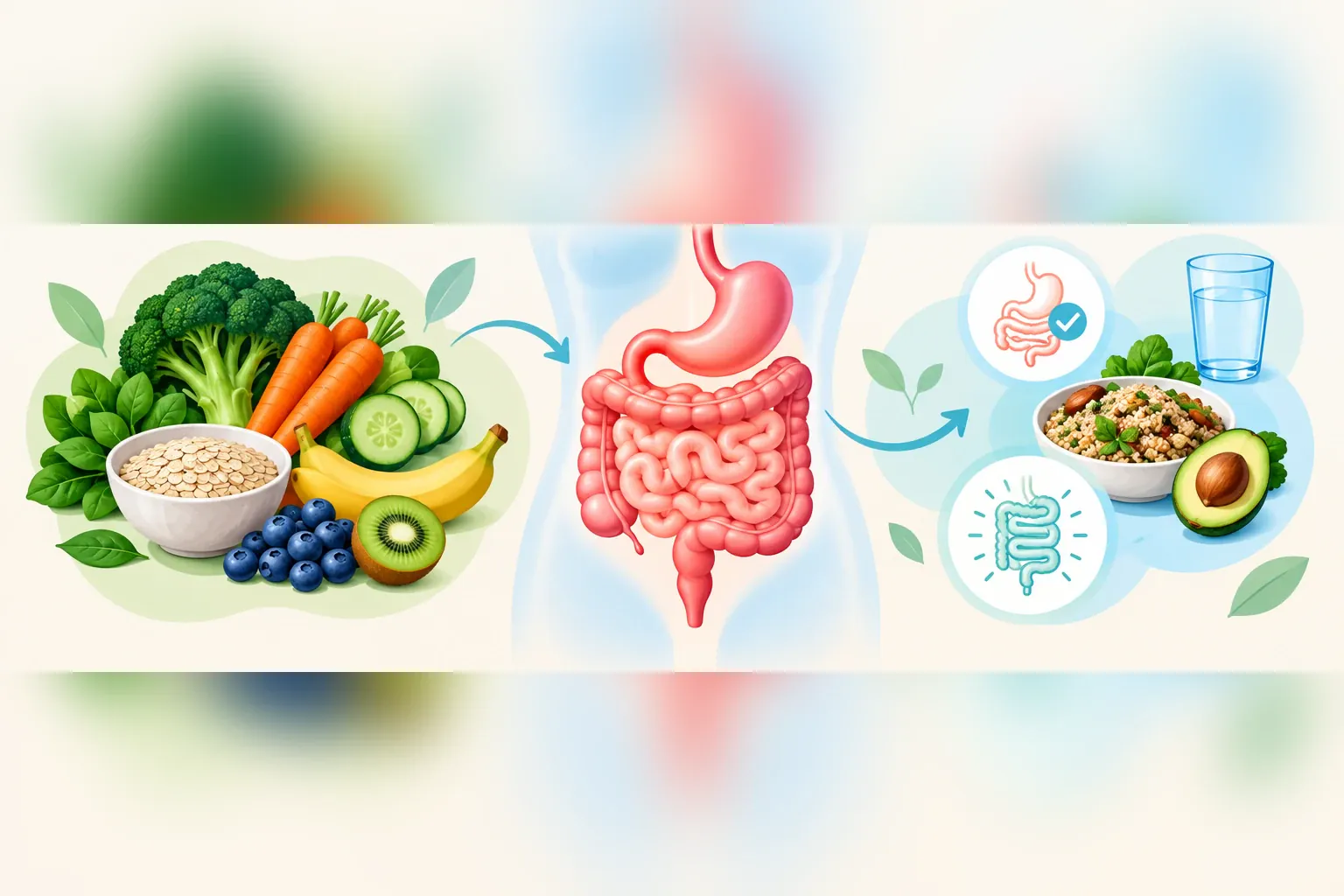
Foods That May Be Easier to Tolerate for Some People
Instead of a list of "best foods for bloating," it's more accurate to think in terms of swaps. Each option below replaces or reduces something that official sources link to gas in some people. None of them is guaranteed to help, and none is necessary if the original food doesn't bother you.
Water and Other Non-Fizzy Drinks
MedlinePlus (opens in a new tab) lists drinking plenty of water and non-fizzy drinks among ways to reduce gas. Choosing still drinks over carbonated ones also cuts down on swallowed air. If you're increasing fiber, NIDDK notes that drinking water and other liquids helps fiber work better (opens in a new tab).
Drinks sweetened with high-fructose corn syrup, such as some soft drinks, sports drinks, energy drinks and fruit juices, are on NIDDK's list of drinks that may lead to excess gas. If you notice they bother you, plain water is a simple alternative.
Foods and Snacks Without "-ol" Sweeteners
Sugar-free gums, candies and other products often contain sweeteners whose names end in "-ol," such as sorbitol, mannitol, xylitol, erythritol and maltitol. NIDDK notes that some people have more gas symptoms after consuming them. If sugar-free products seem to affect you, checking ingredient labels and choosing products without these sweeteners is one of the more straightforward changes to try.
Lower-Lactose and Lactose-Free Dairy
For people with lactose intolerance, NIDDK describes lactose-free and lactose-reduced milk products, as well as yogurt and hard cheeses such as cheddar or Swiss, as options that are lower in lactose. The dairy section below explains who this applies to and why it isn't a reason for everyone to give up regular dairy.
Fiber Sources Added Gradually
Fiber is important for digestion, but large, sudden increases can lead to gas. Adding fiber-rich foods a little at a time, and noticing which types you tolerate, is a more comfortable approach for many people. The fiber section covers this in more detail.
Meals That Aren't Heavy in Fat
NIDDK notes that some people have more gas symptoms after high-fat foods, which can increase bloating (opens in a new tab). If rich or fried meals seem to leave you uncomfortable, you might notice whether lighter preparations of the same foods feel different.
What About Fruits and Vegetables?
Fruits and vegetables are where advice about bloating gets especially confusing, because many of the foods people are told to eat more of also appear on lists of gas-producing foods.
Fruits. NIDDK lists certain fruits, including apples, peaches and pears, along with fruit juices, among foods that may lead to excess gas. NIDDK's guidance on IBS (opens in a new tab) also lists several fruits as high in FODMAPs (a group of carbohydrates that are hard to digest), including apricots, cherries, mango, plums and watermelon, as well as dried fruit and large amounts of fruit juice.
That doesn't mean other fruits are guaranteed to be gas-free, and it doesn't mean the listed fruits should be avoided. There's no official list of fruits that are good for digestion and bloating. Fruit is a source of fiber and nutrients, and NIDDK lists fruits such as berries, oranges, pears and apples with the skin on as examples of fiber-rich foods (opens in a new tab). A more useful approach is to notice how different fruits and portion sizes affect you. A whole piece of fruit may feel different from a large glass of juice or a handful of dried fruit.
Vegetables. Cruciferous vegetables, such as broccoli, cauliflower, collard greens and kale, are among the foods NIDDK says increase gas symptoms in some people. MedlinePlus also mentions vegetables such as cabbage, Brussels sprouts, onions and garlic in its guidance on gas (opens in a new tab). These are nutritious foods, so it's usually more helpful to adjust portion sizes and notice your own response than to cut out vegetables broadly.
How Fiber Can Help or Make Gas Worse
Fiber has a mixed relationship with bloating. It's an important part of a healthy diet and can help with constipation, which MedlinePlus lists as one possible cause of bloating. At the same time, NIDDK notes that some people have more gas symptoms when they consume too much fiber, and MedlinePlus notes that adding more fiber can cause temporary gas.
A few points from official guidance can help:
- Go gradually. NIDDK's IBS guidance suggests adding fiber-containing foods a little at a time, and notes that increasing by about 2 to 3 grams a day may help prevent gas and bloating.
- The type of fiber may matter. MedlinePlus notes that insoluble fiber, such as bran, causes more gas than soluble fiber. NIDDK lists beans, fruit and oat products as sources of soluble fiber, and notes that research suggests soluble fiber is more helpful in relieving IBS symptoms.
- Drink enough liquids. NIDDK notes that water and other liquids help fiber work better.
For a deeper look at fiber types, food versus supplements and how to increase intake, see our guide to fiber and bloating.
Dairy, Lactose and Individual Tolerance
Dairy is a good example of why tolerance is individual. NIDDK lists milk, ice cream and yogurt among foods that may lead to excess gas in some people, yet many people eat dairy without any trouble. The difference often comes down to lactose, the natural sugar in milk, and how well a person digests it.
For people who have lactose intolerance, NIDDK's nutrition guidance (opens in a new tab) offers several practical points:
- Most people with lactose intolerance can have some lactose, and research suggests many can have a moderate amount without symptoms or with only mild ones.
- Having small amounts of milk products with meals, and adding them back gradually, may help.
- Yogurt and hard cheeses, such as cheddar or Swiss, are lower in lactose than other milk products.
- Lactose-free and lactose-reduced milk products are widely available, and NIDDK notes they're just as healthy as regular milk products.
It's also worth knowing that cutting out dairy entirely can make it harder to get enough calcium and vitamin D. NIDDK lists other sources of calcium, such as leafy greens, tofu, almonds, canned salmon or sardines with soft bones, and foods with added calcium.
Feeling bloated after dairy doesn't mean you have lactose intolerance. Only a healthcare professional can make that diagnosis, and NIDDK recommends talking with a doctor or dietitian before changing your diet.
Meal Size, Eating Speed and Carbonated Drinks
What you eat is only part of the picture. NIDDK's guidance on gas includes several habits that reduce swallowed air or ease the load on your digestion:
- eating smaller, more frequent meals instead of larger ones
- eating slowly and sitting down to eat when you can
- avoiding talking while eating or drinking
- limiting fizzy drinks, chewing gum, hard candy and drinking through a straw
MedlinePlus adds chewing food thoroughly, relaxing while eating and taking a 10- to 15-minute walk after eating. For a closer look at why bloating tends to show up after meals, see our guide to bloating after eating.
How to Build a More Comfortable Meal Without Restrictive Dieting
You don't need a special diet to make meals feel more comfortable. Small, targeted changes are often easier to sustain and less likely to leave gaps in your nutrition.
Where the Low-FODMAP Diet Fits
You may come across the low-FODMAP diet in searches for foods that reduce bloating. NIDDK describes it as a diet a doctor may suggest for a few weeks to see whether it helps IBS symptoms. If symptoms improve, foods are added back slowly, and some may turn out to be fine.
The low-FODMAP diet limits many nutritious foods, including some fruits, vegetables, legumes, dairy and wheat products. It isn't meant as a general solution for bloating or as a way to diagnose yourself. If you're considering it, talk with a doctor or registered dietitian first. The same goes for cutting out gluten or any other entire food group.
Keeping a Food and Symptom Diary
Since general food lists can only take you so far, your own records are often the most useful tool. NIDDK notes that your doctor may ask you to keep a diary of what you eat and drink and your gas symptoms, which can help your doctor or dietitian figure out whether certain foods and drinks could be playing a role.
Foods That Help With Bloating vs. Foods That Cause Bloating
The table below pairs foods and drinks that official sources link to gas in some people with options that some people find easier to tolerate. It's a starting point for noticing your own patterns, not a list of foods to avoid.
| Commonly linked to gas in some people | Options some people find easier | What to keep in mind |
|---|---|---|
| Fizzy drinks and drinks with high-fructose corn syrup | Water and other non-fizzy drinks | Still drinks also mean less swallowed air |
| Sugar-free products with "-ol" sweeteners | Products without "-ol" sweeteners | Check ingredient labels for names ending in "-ol" |
| Milk and ice cream (for people with lactose intolerance) | Lactose-free or lactose-reduced milk products, yogurt, hard cheeses | Many people with lactose intolerance can still have some lactose |
| Large, sudden increases in fiber | Fiber added gradually, with enough liquids | Soluble fiber sources include oat products, beans and fruit |
| Certain fruits, fruit juices and dried fruit | Smaller portions, and fruits you've noticed you tolerate | Tolerance varies; fruit is still a valuable source of fiber |
| Cruciferous vegetables, beans, peas and lentils | Smaller portions as part of a varied meal | These foods are nutritious and don't affect everyone |
| High-fat meals | Lighter preparations, if fat seems to be a trigger | NIDDK notes high-fat foods can increase bloating in some people |
For more detail on the left-hand column, see our guide to foods that cause bloating. For everyday habits beyond food, see practical ways to support digestion and manage occasional bloating.
When to Talk to a Healthcare Professional
Food changes are reasonable to try for occasional, mild bloating. They aren't a substitute for medical care when symptoms are persistent or come with other changes. NIDDK advises talking with your doctor if:
- gas symptoms bother you
- your symptoms change suddenly
- you have other symptoms, such as abdominal pain, constipation, diarrhea or weight loss, along with gas symptoms
MedlinePlus also advises contacting a healthcare provider for bloating with symptoms such as blood in the stool, dark or tarry stools, vomiting, worsening heartburn or weight loss.
It's a good idea to talk with a doctor or registered dietitian before making major changes to your diet, such as removing whole food groups or starting a low-FODMAP or gluten-free diet. NIDDK also advises talking with your doctor before using supplements, probiotics or any complementary or alternative medicines.
The Bottom Line
There's no single food that helps with bloating for everyone. What official sources support is a practical, personal approach: eating less of the specific foods and drinks that increase your symptoms, choosing water and other still drinks, adding fiber gradually, and eating smaller meals more slowly. For people with lactose intolerance, lactose-free products, yogurt and hard cheeses may be easier to tolerate.
Many foods linked to gas are also nutritious, so the goal isn't to restrict your diet but to understand what works for you. If bloating is frequent, bothersome or comes with other symptoms, a healthcare professional can help you find out what's going on.
Frequently Asked Questions
What foods help with bloating?
No food is proven to reduce bloating for everyone. What official health sources describe is adjusting what and how you eat: having less of the specific foods and drinks that increase your symptoms, adding fiber gradually, choosing water and other non-fizzy drinks, and eating smaller, more frequent meals. For people with lactose intolerance, NIDDK notes that lactose-free or lactose-reduced milk products, yogurt and hard cheeses may be easier to tolerate.
What should I eat when I feel bloated?
There's no single right meal. Some people find a smaller portion, eaten slowly, more comfortable than a large, rich meal. It may also help to choose water or another non-fizzy drink and to go easy on foods you've noticed bother you. If bloating happens often, keeping a food and symptom diary and talking with a doctor or registered dietitian is more useful than guessing.
Are there fruits that are good for digestion and bloating?
Fruit is a source of fiber and other nutrients, but no fruit is guaranteed to prevent bloating. Some fruits, including apples, peaches and pears, as well as fruit juices and dried fruit, are among those NIDDK links to gas or high-FODMAP eating in some people. Tolerance varies, so it may help to notice which fruits and portion sizes work for you rather than avoiding fruit altogether.
Is yogurt good for bloating?
It depends on the person. NIDDK lists yogurt among dairy products that may lead to excess gas in some people. For people with lactose intolerance, NIDDK also notes that yogurt and hard cheeses, such as cheddar or Swiss, are lower in lactose than other milk products and may be easier to tolerate. Yogurt isn't a treatment for bloating.
Should I try a low-FODMAP diet for bloating?
Not on your own as a first step. NIDDK describes the low-FODMAP diet as something a doctor may suggest for a few weeks to see whether it helps irritable bowel syndrome symptoms, followed by slowly adding foods back. Because it limits many nutritious foods, it's best done with guidance from a doctor or registered dietitian.
Does drinking water help with bloating?
Water won't stop bloating on its own, but MedlinePlus lists drinking plenty of water and non-fizzy drinks among ways to reduce gas, and NIDDK notes that drinking water and other liquids helps fiber work better. Choosing still drinks over carbonated ones also means swallowing less air.
Sources & References
- Government health agencyEating, Diet, & Nutrition for Gas in the Digestive Tract (opens in a new tab). National Institute of Diabetes and Digestive and Kidney Diseases (NIDDK). Accessed October 8, 2026
- Government health agencySymptoms & Causes of Gas in the Digestive Tract (opens in a new tab). National Institute of Diabetes and Digestive and Kidney Diseases (NIDDK). Accessed October 8, 2026
- Government health agencyTreatment for Gas in the Digestive Tract (opens in a new tab). National Institute of Diabetes and Digestive and Kidney Diseases (NIDDK). Accessed October 8, 2026
- Government health agencyEating, Diet, & Nutrition for Lactose Intolerance (opens in a new tab). National Institute of Diabetes and Digestive and Kidney Diseases (NIDDK). Accessed October 8, 2026
- Government health agencyEating, Diet, & Nutrition for Irritable Bowel Syndrome (opens in a new tab). National Institute of Diabetes and Digestive and Kidney Diseases (NIDDK). Accessed October 8, 2026
- Government health agencyEating, Diet, & Nutrition for Constipation (opens in a new tab). National Institute of Diabetes and Digestive and Kidney Diseases (NIDDK). Accessed October 8, 2026
- Government health agencyGas (opens in a new tab). MedlinePlus, National Library of Medicine (NIH). Accessed October 8, 2026
- Government health agencyAbdominal bloating (opens in a new tab). MedlinePlus Medical Encyclopedia, National Library of Medicine (NIH). Accessed October 8, 2026
- Government health agencyGas - flatulence (opens in a new tab). MedlinePlus Medical Encyclopedia, National Library of Medicine (NIH). Accessed October 8, 2026
Written by
Wellness Buyer Guide Editorial Team
Editorial team
The Wellness Buyer Guide editorial team researches and writes the articles published on this site.
View profile and articlesRelated Articles
Related Comparisons
- Digestive Enzymes vs. Probiotics for Bloating: What’s the Difference?
Digestive enzymes and probiotics aren't the same. Learn how they differ, what evidence says about each for bloating, and what to check before buying either.
Related Wellness Guides
- Foods That Cause Bloating: Common Triggers and What May Help
Which foods cause bloating? Learn common triggers such as beans, certain fruits, dairy and sugar alcohols, why tolerance varies, and how to spot your own.
- Bloating After Eating: Why It Happens and What May Help
Why do you feel bloated after eating? Learn common causes, from swallowed air to certain carbs and high-fat foods, what may help, and when to see a doctor.
- Fiber and Bloating: Can Fiber Help or Make Bloating Worse?
Can fiber help with bloating or make it worse? Learn how fiber type, amount and pace affect gas and bloating, plus what to know about fiber supplements.
- What Helps With Bloating and Slow Digestion? 7 Practical Ways to Support Better Digestion
Feeling bloated or dealing with slow digestion? Learn practical ways to support digestive health, including fiber, hydration, eating habits, activity, and what to consider before choosing a digestive supplement.
- Constipation and Bloating: Why They Often Happen Together and What May Help
Can constipation cause bloating? Learn why these symptoms may happen together, what may help, and when it’s important to talk with a doctor.